
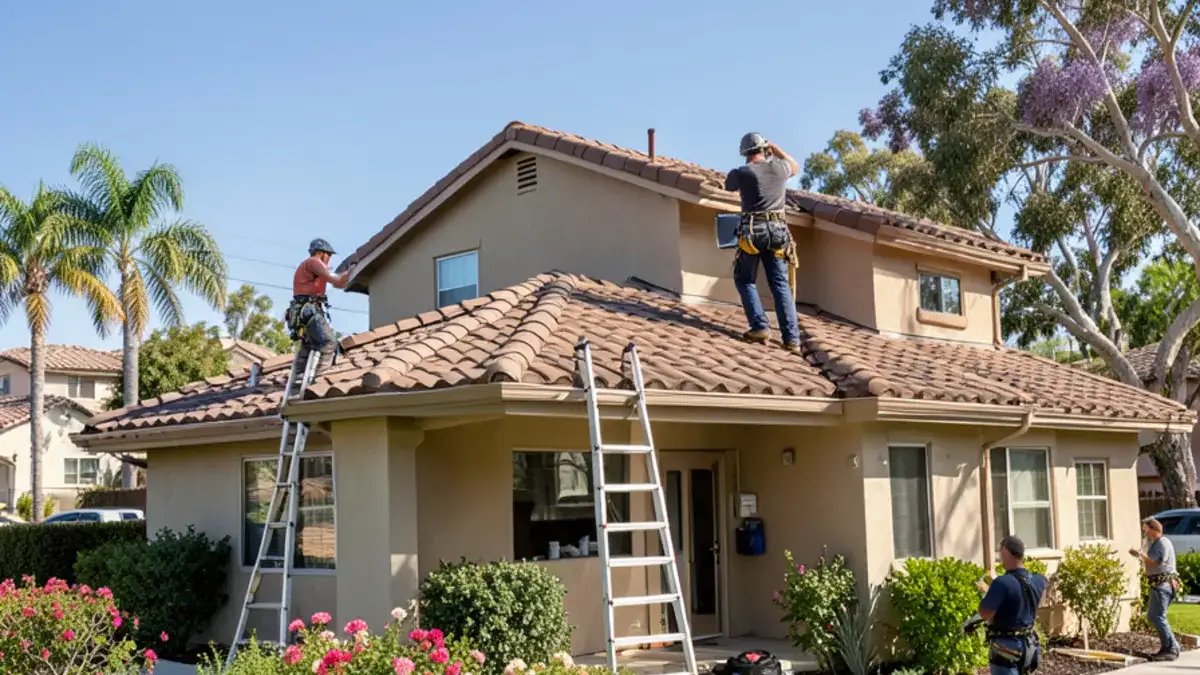
By Tylzen Spoke Roofing · Published
A roof inspection is a report on the roof's current condition: what is worn, what is damaged and what repairs it needs. A roof certification goes a step further, with a roofing contractor stating in writing that the roof, often after specific repairs, should keep water out for a stated period. Certifications are usually requested during a home sale by a buyer, a lender or escrow.
Put simply, an inspection tells you what is wrong, and a certification puts the roof's expected performance in writing. Which one you need depends on who is asking and what the roof's condition turns out to be.
What is the difference between a roof inspection and a roof certification?
| Question | Roof inspection | Roof certification |
|---|---|---|
| What you get | Written findings with photos and repair recommendations | A signed statement that the roof should perform for a stated period |
| Who usually asks | Owners, buyers during due diligence, insurers | Buyers, lenders or escrow during a sale |
| Repairs required first? | No; it reports what it finds | Usually, if the inspection turns up problems |
| What it is not | A promise about future leaks | A manufacturer warranty or a new roof |
| Who performs it | A roofer, or a general home inspector who looks less closely | A roofing contractor, since repairs and roof performance are roofing work |
| When it helps | Routine care, after storms, before buying | Closing a sale on a roof that a buyer or lender questioned |
Want a roofer to look at it?
Call with your address and what you are seeing. We visit same-day or next-day when crews are free.
- 4.9 from 48 Google reviews
- Based on Rosemead Blvd
- Photos and a written quote before work
What happens during a roof inspection for a home sale?
- A walk of the roof surface where it is safe: shingle wear, cracked or slipped tile, flat-roof seams and coatings.
- Flashing, vents, skylights, chimneys and any solar mounts.
- Gutters, fascia and drainage.
- The attic: stains, daylight, ventilation and deck condition.
- A written report with photos, a plain-language view of remaining service life, and a line-by-line repair quote if anything needs work.
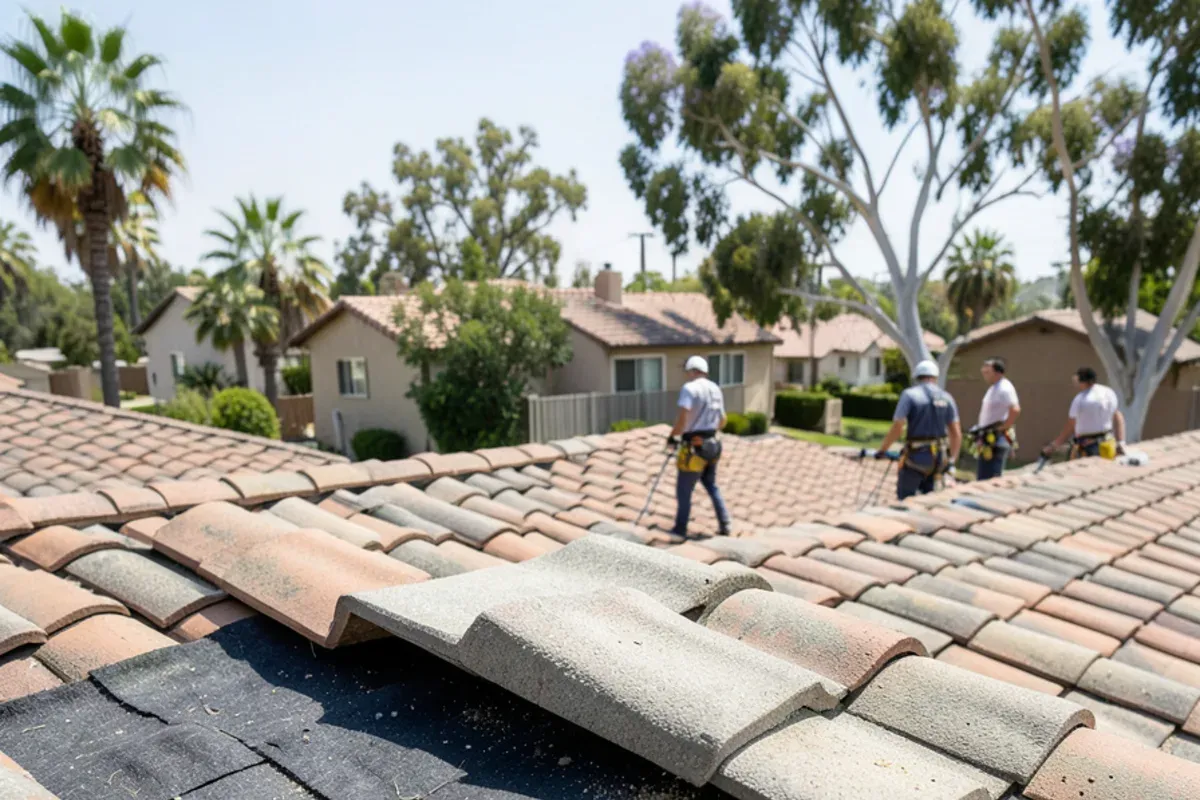
A general home inspection usually includes the roof, but many home inspectors view it from the ground or a ladder and do not walk tile. When their report recommends further evaluation by a roofing contractor, that is the cue for a dedicated roof inspection.
When do buyers, sellers or lenders ask for a certification?
A certification usually enters the picture when someone in the transaction wants more than a report:
- The buyer's home inspection flags roof wear, and the buyer asks the seller to provide a certification as a condition of the sale.
- A lender, or the appraisal on a government-backed loan, notes roof condition and wants evidence the roof has life left.
- A seller wants to settle roof questions before listing rather than in the middle of escrow.
- An insurer asks for proof of roof condition on an older home, where a recent report or certification can help.
Requirements vary by lender, loan type and contract, so ask your agent or loan officer exactly which document they need and who must sign it before booking anything.
What a certification does not cover
Certifications usually exclude storm damage, damage caused by other trades, and parts of the house beyond the roof, and they do not replace product coverage. Product coverage varies with the specific line installed, while workmanship terms are set in the contract. Request both on paper, and find out if either passes to a new owner.
From first inspection to a signed certification
When a sale calls for a certification, the paperwork follows a predictable order. Knowing it helps you fit the roof into the escrow timeline instead of chasing it at the end:
- Get the request in writing from your agent or the lender: which document, whether a specific form is required, and the deadline.
- Book the roof inspection, covering the surface, flashing, drainage and the attic, with photos of each finding.
- Review the written findings and a line-by-line quote for any work needed before the roof can be certified.
- Buyer and seller agree on who pays for the work, usually through the agents and a contract addendum.
- Complete the roof repairs, with a permit where the scope calls for one, and photograph the finished work.
- Recheck the roof and issue the certification, with its term, exclusions and transfer terms written on it.
- Send copies to escrow and both agents so the document is on file before closing.
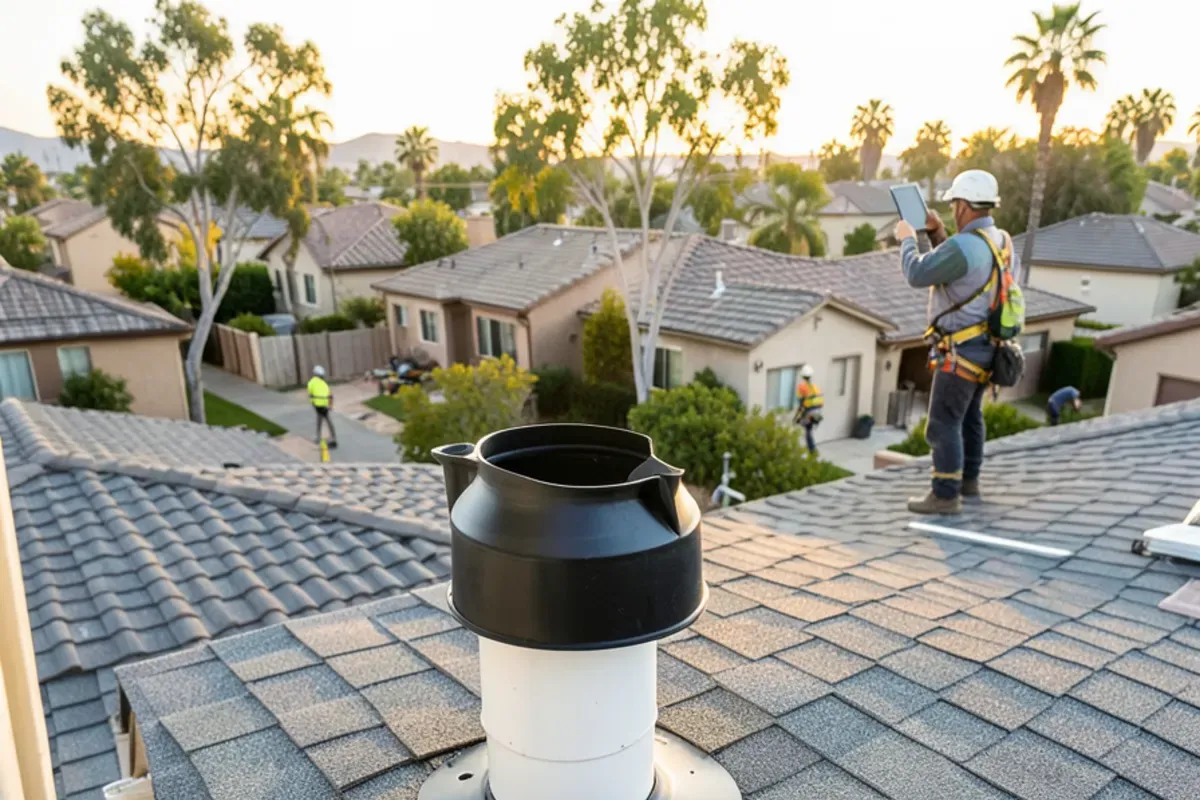
On a roof that needs only small repairs, those steps can fit inside a normal contingency period. Deck replacement, a lift-and-relay or a permit inspection adds days, which is why an early start matters.
Who can inspect, repair and certify roofs in California?
Repairs and certifications that involve roofing work belong with a contractor who holds a CSLB C-39 Roofing license. Under B&P Code §7048, a license is needed once a job passes $1,000 in combined labor and materials, and permitted work always calls for a licensed contractor. C-39 roofers have had to carry workers' compensation from 2017 on, employees or not, and as of January 1, 2026, SB 216 applies that rule to all license classes.
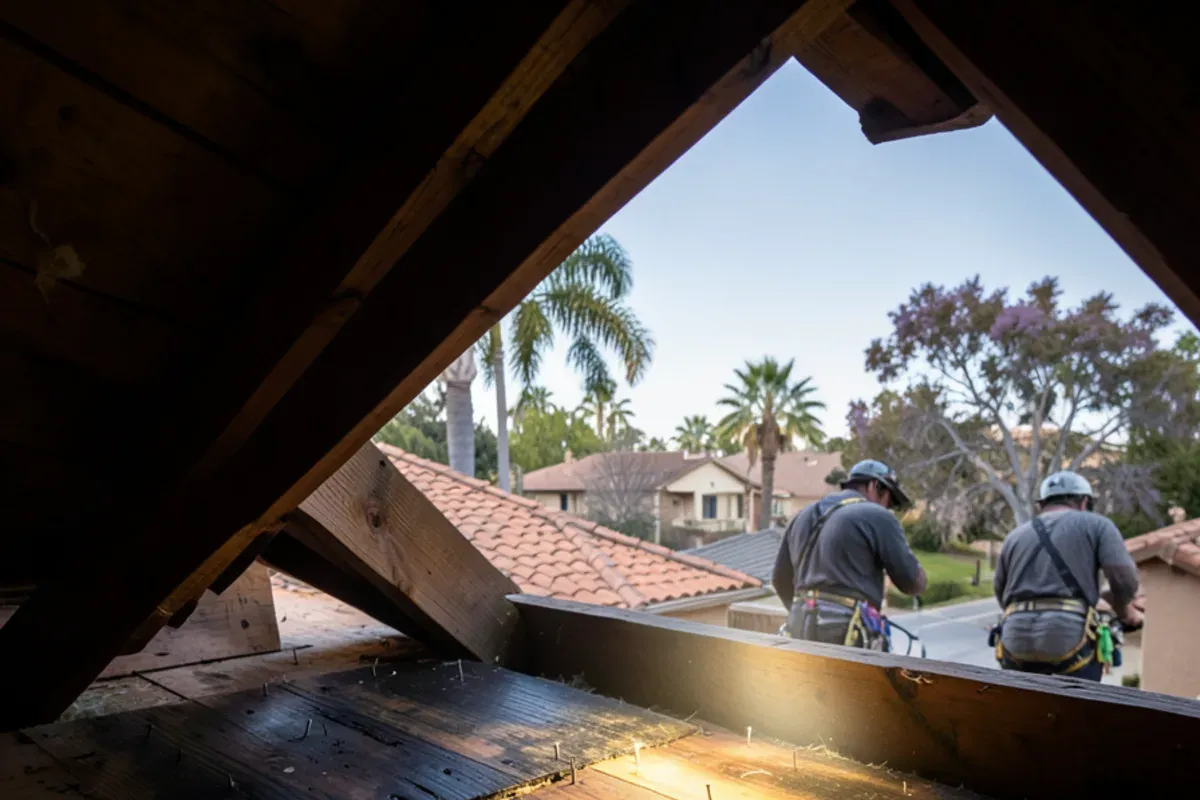
Check any roofer on the CSLB website before you sign. Confirm the license is active, that the C-39 classification is listed and that workers' comp is on file. The lookup takes a few minutes and protects both sides of the sale.
How does the roof fit into California seller disclosures?
California sellers of homes with one to four units fill out a Real Estate Transfer Disclosure Statement under Civil Code §1102, and the form asks about known defects, roof included. A roof inspection report the seller orders before listing becomes something the seller knows about, so its findings belong in the disclosures.
Some sellers hesitate for that reason. In our experience, a disclosed problem that has already been repaired, with photos and a receipt, reads far better to a buyer than the same problem turning up in the buyer's own inspection halfway through escrow. Disclosure questions are legal ones, so confirm what to disclose with your agent or a real estate attorney.
What we see in roof reports during SGV home sales
Home sales in Rosemead and Arcadia bring very different roofs to the same escrow timeline. Rosemead's median build year is 1959 according to Point2Homes, and some of those houses still carry two layers of composition shingle. Whether a layered roof can be certified often depends on what the lower layer is hiding: soft decking shows up only when someone looks from the attic.
Larger Arcadia homes with concrete or clay tile raise a different question. The tile looks sound, but the underlayment beneath it may be near the end of its life, and that hidden layer is what decides whether a certification is realistic without a lift-and-relay.
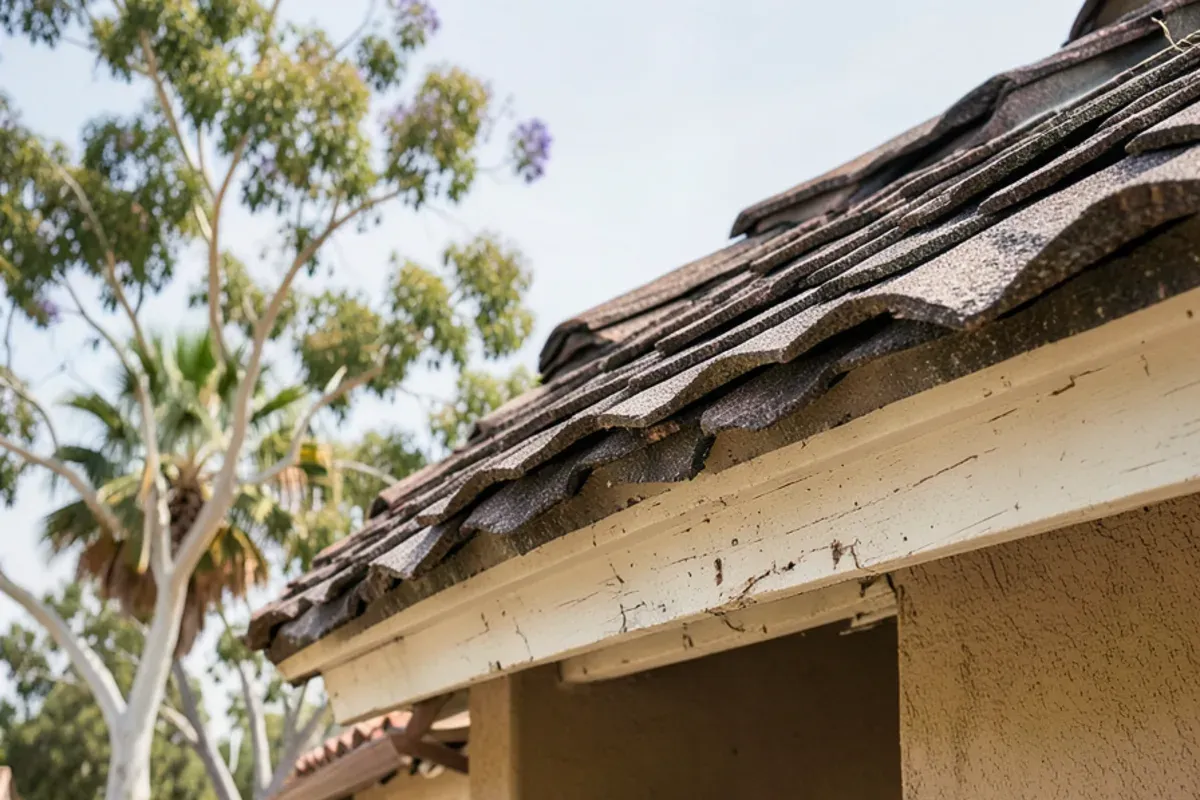
The common thread is timing. A roof issue found days before closing leaves little room for repairs and paperwork, so we suggest sellers book the roof inspection before listing. Buyers get the most from an inspection during their contingency period, while the findings can still shape the deal.
Certify, credit or replace: the trade-offs for each side
Repairing a roof to certify it often costs a seller less than the credit a buyer asks for after a bad report, and it keeps the deal moving. The trade-off comes on roofs near the end of their life. Patching one enough to certify it may earn only a short term, and the buyer still inherits an old roof.
A credit lets the buyer pick a roofer and a material after closing, but the buyer then carries the risk of a leak before the work happens. Replacing the roof before listing removes the question entirely and can help the sale, yet it takes the most time and money up front. We lay out what each path would involve on that specific roof so the agents can negotiate from real numbers.
Choosing the right roof document for your sale
If you want to know the roof's condition, you need an inspection. If someone in the sale needs a written statement that the roof will keep performing, you need a certification, and usually some repairs first. Our roof certification process starts with a full inspection, photos and a written, line-by-line quote for any repairs before anything is signed. Call (725) 745-8803 to schedule either one.
Questions readers ask
How long does a roof certification last?
The term is written on the certificate itself and varies by contractor and roof condition, so read it closely. A certification on a newer roof in good repair may run longer than one on an older roof that needed patching to qualify. Ask what voids it, such as later work by other trades, and whether it transfers to the buyer.
Can a roof fail to qualify for certification?
Yes. If the roof has widespread wear, soft decking or underlayment at the end of its life, an honest contractor will not certify it as is. The usual outcomes are repairs followed by certification, a recommendation to replace, or a credit negotiated between buyer and seller. The inspection report gives both sides the facts to decide.
Who pays for a roof inspection or certification in a sale?
It is negotiable. Buyers usually pay for inspections they order during their contingency period, while sellers often cover a certification and the repairs needed to earn it, especially when the buyer's lender asks for one. Your purchase contract and your agent settle the split.
Is a home inspector's roof check enough?
Sometimes, for a newer shingle roof with no issues. For tile, flat sections, layered roofs or any report that flags the roof, a roofing contractor's inspection looks closer: walking the roof where safe, lifting tiles at problem areas and checking the deck from the attic. Lenders and buyers lean on that detail when a roof is in question.
Sources
Written by Tylzen Spoke Roofing
A roofing contractor on Rosemead Blvd (CA-19) in Rosemead, working on shingle, tile, metal and flat roofs across the San Gabriel Valley. This guide reflects what our crews check on local roofs. Questions about your roof? Call (725) 745-8803.