
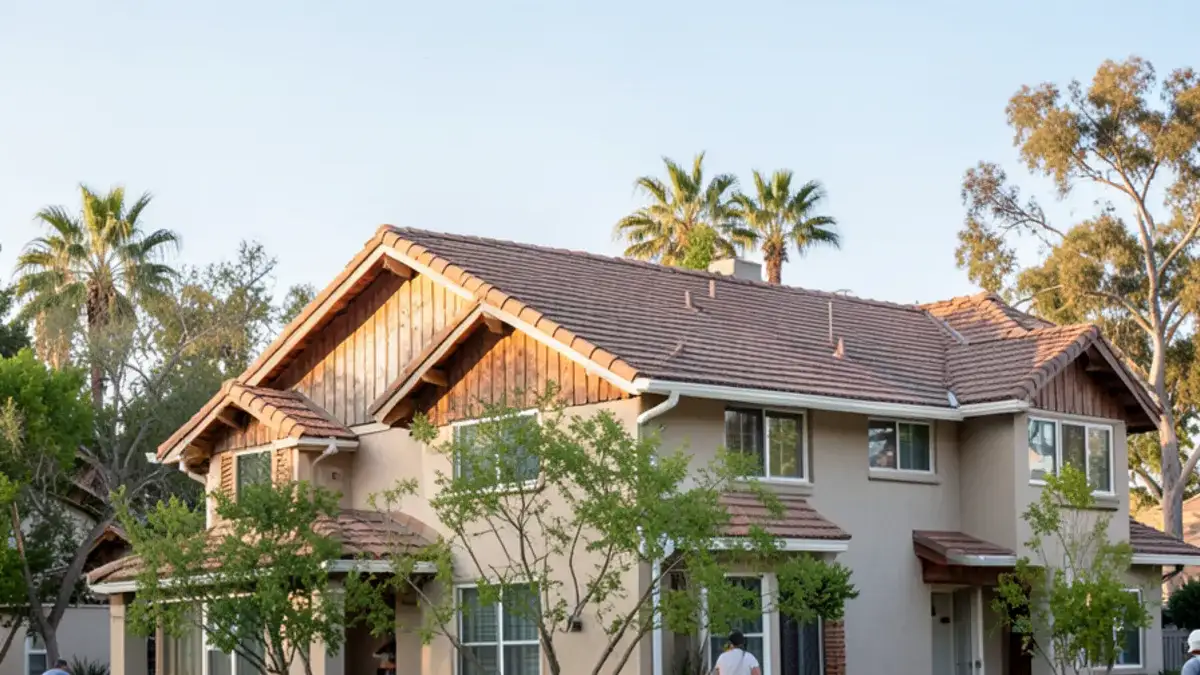
By Tylzen Spoke Roofing · Published
With a roof warranty explained in one line: the manufacturer's warranty covers defects in the shingles, tiles or membrane themselves, while the workmanship warranty covers mistakes in how the roof was installed, and it comes from the contractor, not the manufacturer. Most leaks on newer roofs trace back to installation, so the workmanship terms matter at least as much as the product coverage printed on the shingle wrapper.
This guide explains what each type covers, the common ways coverage gets voided, how transfers work when you sell, and the questions to ask before you sign for a roof replacement.
Manufacturer and workmanship coverage, side by side
Manufacturers usually offer a standard material warranty on their products, plus enhanced or system warranties when you use their full set of components and register the roof. The contractor's workmanship terms are separate and written into your contract.
| Standard material | Enhanced or system | Workmanship | |
|---|---|---|---|
| Backed by | Manufacturer | Manufacturer | Contractor |
| Covers | Manufacturing defects in the product | Defects across listed components, sometimes some labor | Installation errors such as flashing or nailing |
| Usually requires | Installation per instructions | Matching-brand accessories, registration, sometimes a qualified installer | Terms set in the contract |
| Common limits | Often prorated; labor may be excluded over time | Registration deadlines; specific underlayment and vents | Duration and exclusions vary by contractor |
Read the actual documents for the exact product line you are buying. Marketing summaries leave out the conditions. If the quote only says a brand name, ask which product line and coverage tier it means.
Want a roofer to look at it?
Call with your address and what you are seeing. We visit same-day or next-day when crews are free.
- 4.9 from 48 Google reviews
- Based on Rosemead Blvd
- Photos and a written quote before work
Is enhanced system coverage worth the extra cost?
Manufacturers sell their upper coverage tiers as an upgrade, and the honest answer is that they suit some owners and not others. The trade-offs are concrete.
| Question | Standard material coverage | Enhanced system coverage |
|---|---|---|
| What you buy | Shingles or tile, installed to the maker's instructions | The covering plus the maker's underlayment, starter, ridge cap and often vents |
| Up-front cost | Lowest; accessories can come from any compatible brand | Higher, because every listed component must match the brand |
| Paperwork | Little or none beyond the invoice | Registration within the maker's deadline, kept with the permit |
| Labor on a defect claim | Often excluded after an early period | More often included for longer, depending on the tier |
| Best fit | Owners selling within a few years, or rentals | Owners staying long-term who will keep the paperwork |
There is also a quieter cost: system coverage ties later repairs to matching components, so a pipe boot or ridge vent replaced years from now should come from the same brand. If you are unlikely to keep records or track the brand, the extra tier may never pay out.
Why a longer workmanship term is not always the better one
Owners naturally compare the number of years. The terms that matter more are how a claim is reported, who decides the cause of a leak, what is excluded, and whether the coverage passes to a buyer. CSLB's contract guidance asks for warranties that specify which part of the work is covered and for how long, and a promise that is vague on those points is weak however long it runs. A term is also only as good as the contractor's willingness and ability to answer the call, which is why the license history at cslb.ca.gov is worth a look.
What does a workmanship warranty actually protect?
Workmanship coverage applies when the roof fails because of how it was put on: shingles nailed too high, step flashing missing at a wall, a valley cut wrong, a pipe boot not lapped under the course above. These are the most common causes of leaks in the first years of a roof's life.
Because it is the contractor's promise, its value depends on the terms in writing and on the contractor still being in business to honor it. Check that the contractor holds an active license with a C-39 Roofing classification at the CSLB website before you rely on any written terms.
What voids a roof warranty?
Most denied claims come down to conditions in the fine print. The usual problems are these:
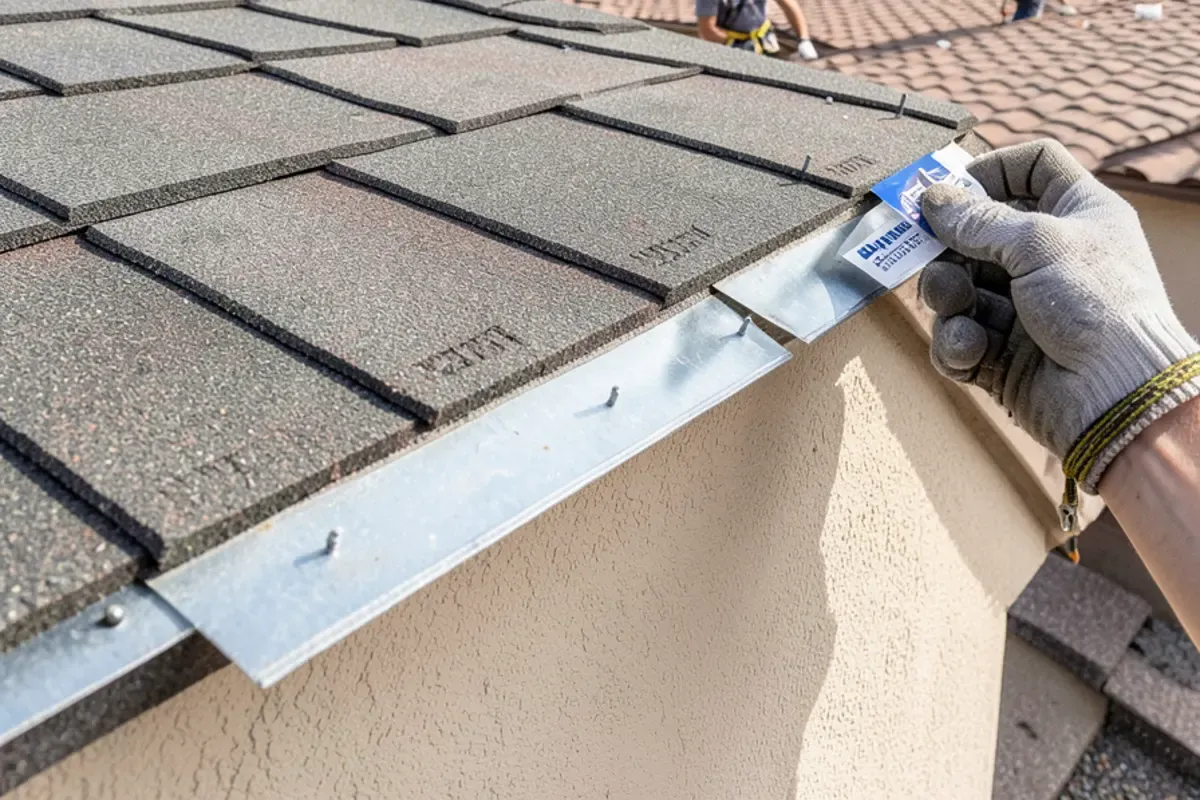
- Installation that ignores the manufacturer's instructions, including nailing pattern, underlayment and starter strips.
- Inadequate attic ventilation, which many shingle warranties specifically require.
- Mixing brands of accessories when system coverage calls for matching components.
- Missing the registration window for enhanced coverage.
- New holes cut by other trades, such as solar, satellite or HVAC, without proper flashing.
- Pressure washing, unapproved coatings, or heavy foot traffic that damages the surface.
- Recovering over an existing roof where the manufacturer's terms do not allow it.
On San Gabriel Valley homes, ventilation and later penetrations are the two conditions we see threaten coverage most. Many older attics have too few vents for current shingle requirements, and many roofs gain a dish or solar mount years after the reroof. Correcting ventilation during the reroof, and insisting that later trades flash their work, keeps the shingle coverage on solid ground.
Storm damage is a separate matter. Wind, falling trees and hail are usually insurance questions, not warranty claims. Our guides to solar and reroofing and to overlay versus tear-off cover two of the situations that affect coverage most often.
How a roof warranty claim works, step by step
Claims go faster when the homeowner arrives with evidence, and they stall when the wrong party is called first. This is the order that works.
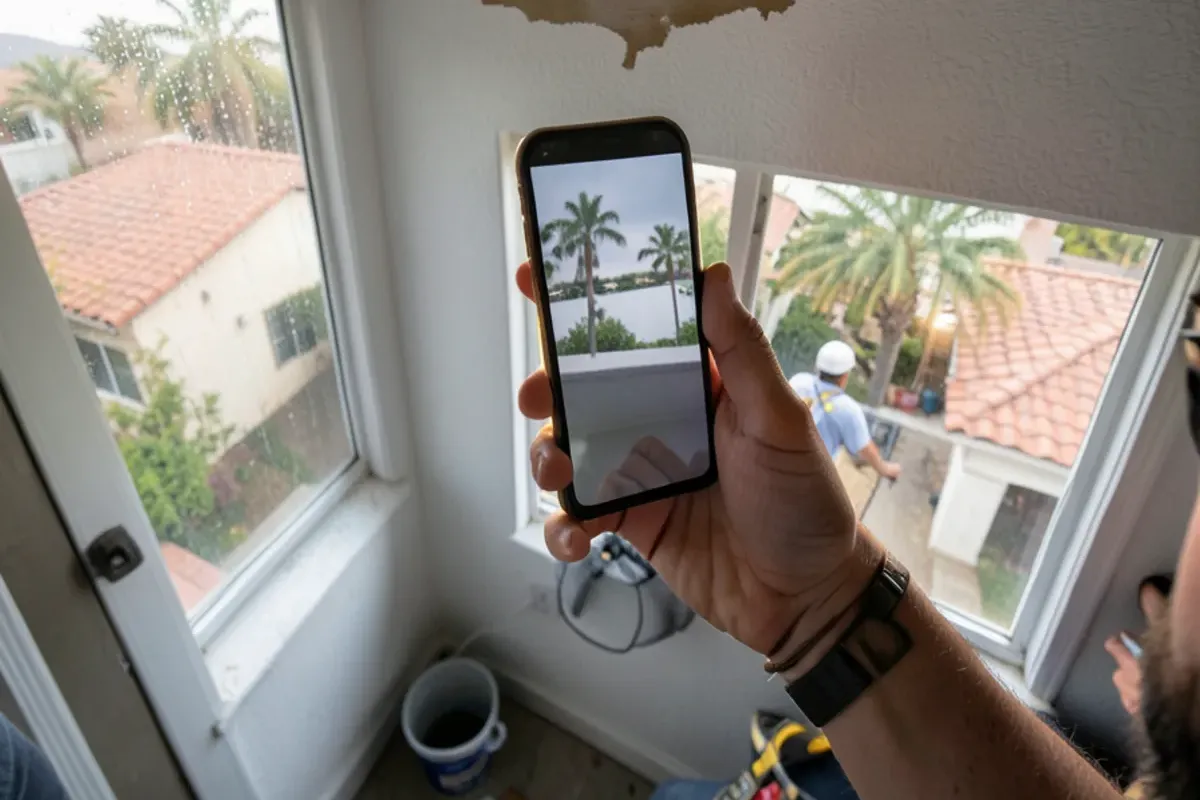
- Document the leak: photos and video of the stain or drip, the date, and the weather that day.
- Pull the paperwork: contract, invoice, manufacturer documents and any registration number.
- Call the installing contractor first, since most early leaks are installation issues covered by workmanship terms.
- Let the installer diagnose before anyone else alters the roof; repairs by another company can complicate both types of coverage.
- If the cause is a product defect, the installer or owner files with the manufacturer, which may ask for samples or send its own inspector.
- Get the outcome in writing, including what is paid, what is prorated and who performs the repair.
If water is coming in faster than a claim can move, stop the damage first with a temporary fix and keep photos of it. Our roof leak repair visits start with that documentation, which helps whichever coverage applies.
Does a roof warranty transfer when you sell the house?
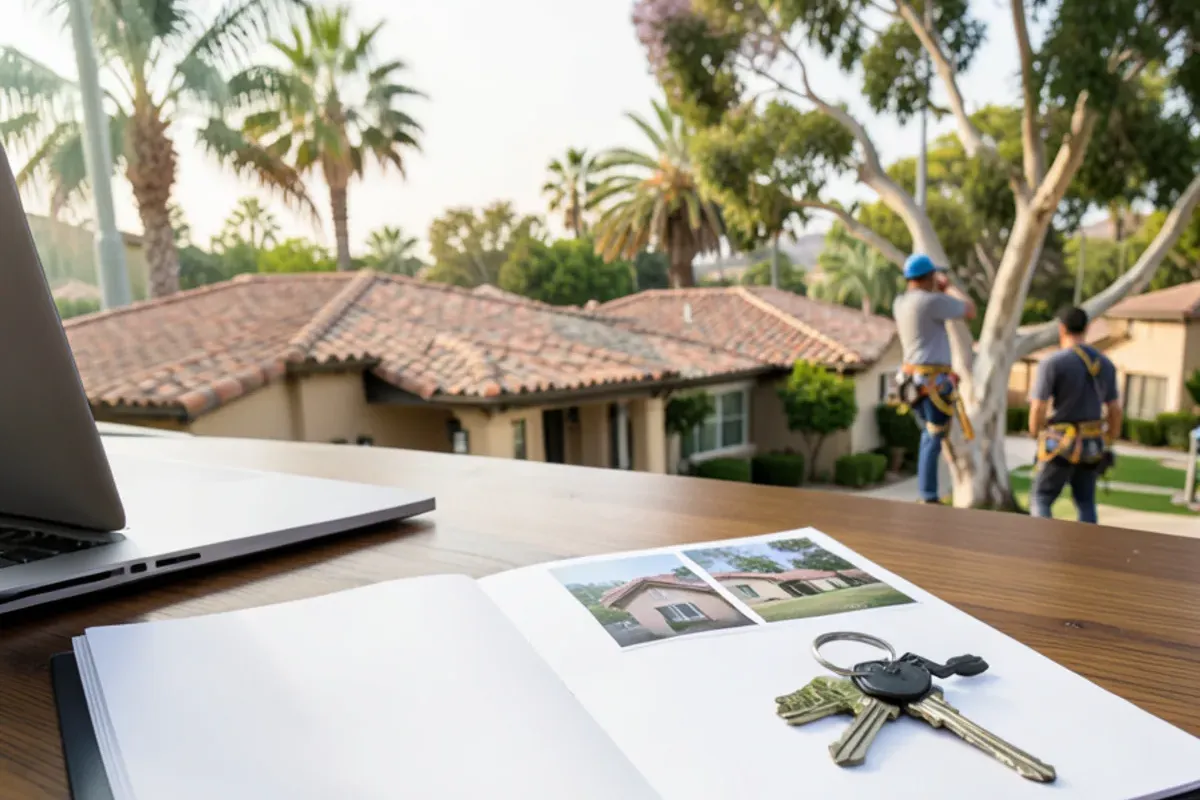
Often, but with conditions. Many manufacturer warranties can transfer to a new owner, sometimes only once, and some require written notice or a fee within a set period after the sale. Coverage may be reduced after transfer. Workmanship terms transfer only if the contract says they do.
If you plan to sell within a few years, ask about transfer before you choose a product. Buyers and their agents increasingly ask for roof paperwork, and a roof certification can document the roof's condition at the time of sale.
Warranty questions to ask before you sign
- Which exact product line and coverage tier is being installed?
- Will the roof be registered with the manufacturer, and who handles it?
- Are all accessories, such as underlayment, starter, ridge cap and vents, from the brand the coverage requires?
- What do the workmanship terms cover, for how long, and what is excluded?
- Does either warranty transfer if I sell, and what does transfer require?
- Who do I call if a leak appears, and how is the cause decided?
How we document coverage on Rosemead roofs
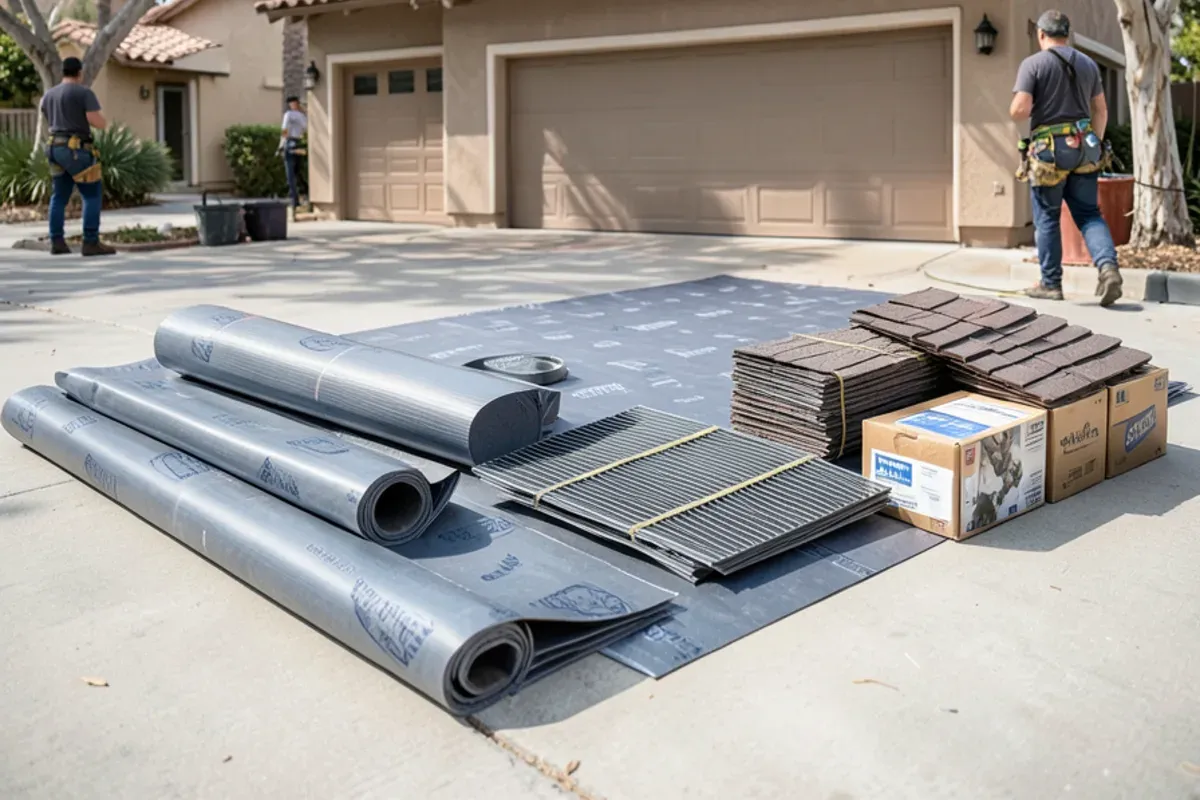
Manufacturer coverage depends on the exact product line, and workmanship terms are written into your contract. We give you both in writing, along with whether they transfer if you sell. On every roof in Rosemead and across the valley, we also photograph key installation details, such as underlayment laps, flashing and nailing, so there is a record if a question comes up later.
We would rather explain the conditions plainly up front than have a homeowner discover them during a claim. If a product line requires matching accessories or registration, we list that on the quote.
Protecting your coverage after the roof is finished
Keep gutters clear, keep other trades off the roof unless they flash their penetrations correctly, and schedule a roof inspection after major wind events. If you have questions about coverage on a roof you are planning, call (725) 745-8803 or send a quote request, and we will walk you through the documents for the products we propose.
Questions readers ask
Does a roof warranty cover leaks?
It depends on the cause. A leak from a missing flashing or bad nailing is a workmanship issue for the contractor. A leak from a defective shingle or membrane is a manufacturer issue. A leak from wind or a falling branch is usually an insurance matter. Photos and a clear diagnosis decide which applies.
Is a prorated manufacturer warranty worth much?
It is worth less each year. Prorating means the manufacturer pays a shrinking share of material cost as the roof ages, and labor is often excluded after an early period. That is why workmanship terms and installation quality usually matter more for real-world leaks than the headline length of the material coverage.
What roof paperwork should I keep?
Keep the signed contract, the line-by-line invoice, the manufacturer warranty documents, any registration confirmation, the permit and final inspection record, and installation photos. Store copies digitally as well. Those records support a claim, satisfy buyers and help the next roofer understand what is on your house.
Will a repair by a different roofer affect my existing coverage?
It can. Workmanship terms commonly exclude areas altered by someone other than the installer, and a manufacturer may question a claim if a repair used non-matching parts or ignored its instructions. Call the original installer first when the roof is still within its terms, and keep photos of any emergency fix. If you do hire someone else, ask them to use components the product line allows.
Sources
Written by Tylzen Spoke Roofing
A roofing contractor on Rosemead Blvd (CA-19) in Rosemead, working on shingle, tile, metal and flat roofs across the San Gabriel Valley. This guide reflects what our crews check on local roofs. Questions about your roof? Call (725) 745-8803.